ITG Air Filter Cleaning kit
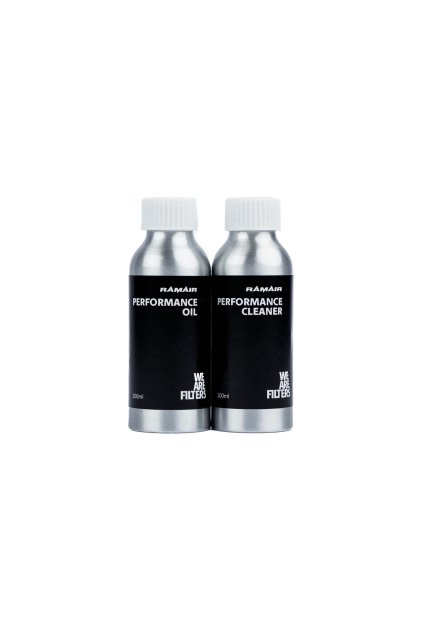
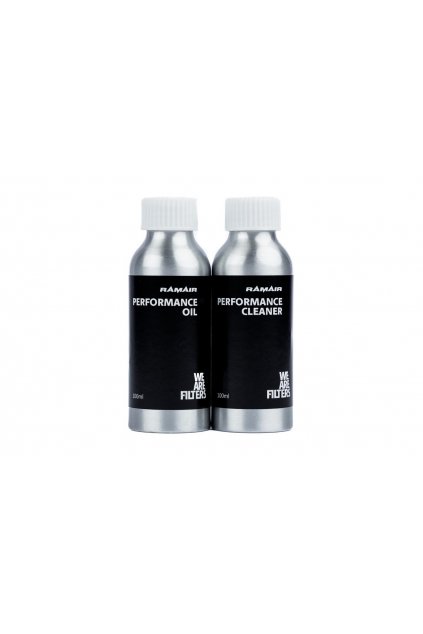
Cleaning kit designed for the maintenance of foam filters, containing a cleaning fluid and a dust retention spray, which allows thorough cleaning of the filter and restores its optimal filtration performance.
| Category: | Vše pro zvýšení výkonu automobilu |
|---|
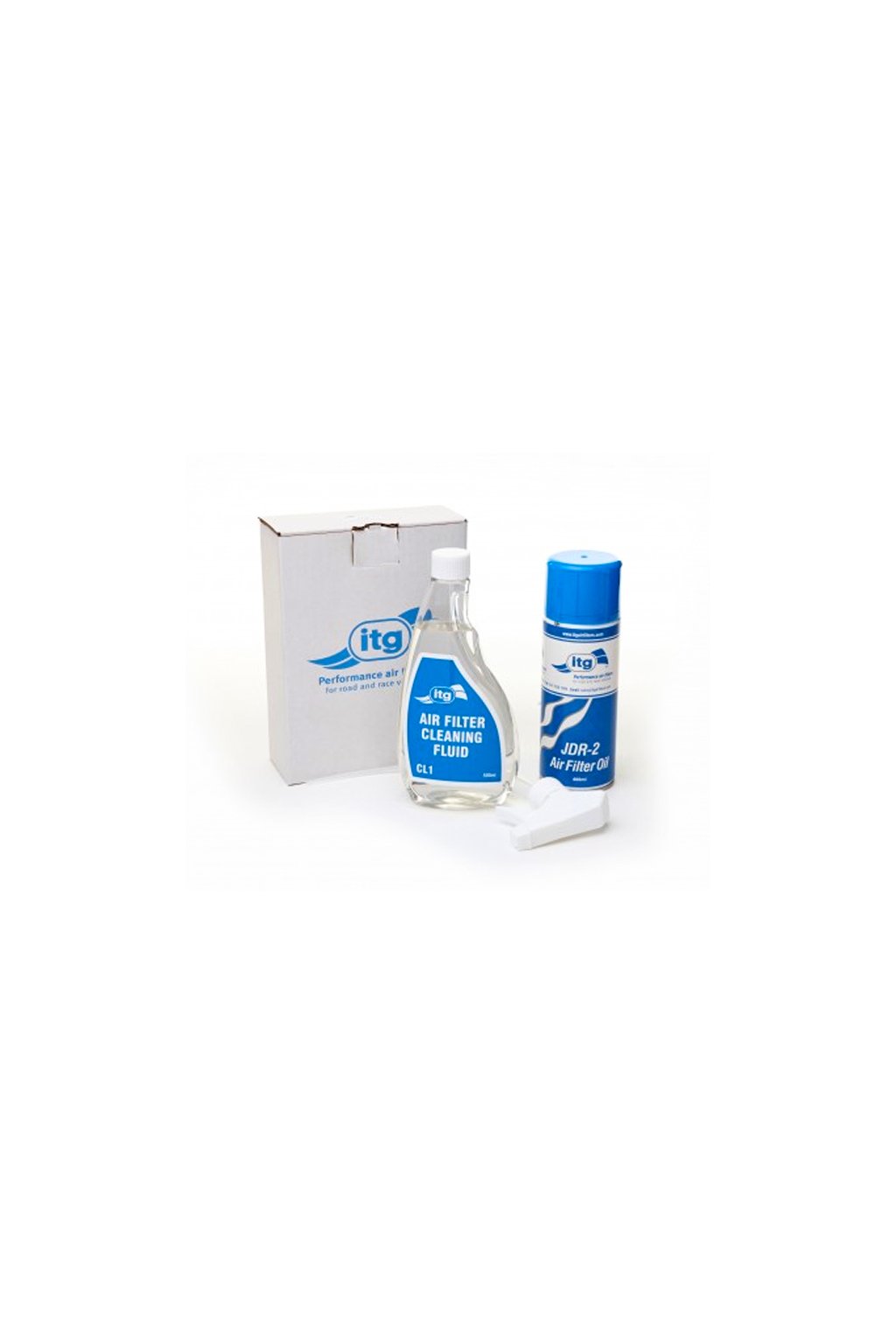
CLK-2 Cleaning kit consists:
- 1 x CL-1 (500ml) cleaning fluid;
- 1 x JDR-2 (400ml) Heavy Duty Dust Retention spray.
Instructions For Cleaning ITG Foam Air Filters
For best cleaning results and long filter life, it is recommended to use ITG CL‑1 cleaning fluid and follow the instructions below.
Use only recommended cleaning and oiling products. Improper use of chemicals or use of non-approved products can damage the filter.
Cleaning:
- CL‑1 is designed for a two-step cleaning process: first it breaks down the sticky dust-retention oil on the filter, then the filter is rinsed with warm water.
- Spray the CL‑1 liberally onto the filter and thoroughly massage it into all foam layers. Additional CL‑1 may be required until the fluid fully penetrates the foam.
- Let it sit for 2–3 minutes, then massage again to loosen the oil and dust.
- Rinse the filter with warm water until the water runs clear. It is also recommended to rinse from the clean side outward to remove remaining dust.
- Do not leave the filter submerged for a long time to prevent the glue from breaking down.
- Allow the filter to dry completely in a warm, dry place. Do not use compressed air or a heat gun.
Oiling after Cleaning:
- Once dry, re-oil with ITG JDR‑1 or JDR‑2.
- If unavailable, use only oil specifically formulated for foam filters (e.g., Silkolene, Motul, Rock Oil, Shell, No-toil, Q8).
- Never use cotton filter oil, engine oil, or any other oil not made specifically for foam filters.
Instructions for Oiling ITG Foam Air Filters
If your ITG filter has not been pre-oiled at the factory, follow the instructions below.
All foam air filters should be oiled to provide optimal filtration performance. Recommended oils are specially formulated for foam filters. When applied correctly, the oil creates a tacky coating on all surfaces of the foam filter structure. Dust particles colliding with the foam are trapped in the oil layer, which also flows around the particles to maintain a sticky surface for further dust capture.
If foam filters are used “dry” or without oil, they still capture larger dust particles and most smaller particles through an electrostatic effect. However, electrostatic dust retention is less reliable than oil retention, so it is very important to monitor for dust passing through the filter and to clean it regularly. Some particles that could damage the engine may pass through a dry filter. ITG provides no warranty if the filter is used dry or not maintained according to instructions.
There is a misconception that oil from filters can become airborne and contaminate the MAF sensor (mass air flow sensor). Oils formulated for foam filters are too viscous to become airborne and affect the MAF. All pre-oiled ITG Profilters contain the correct amount of oil and will not cause issues with MAF sensors.
Never use cotton filter oil, engine oil, or any other oil not specifically made for foam filters.
Oiling the Filter
- Read the label on the can before use and apply in a well-ventilated area.
- Hold the aerosol about 25 mm (1”) from the filter and spray in a circular motion over the entire foam surface until the pores just begin to fill with oil.
- Wearing protective gloves, massage the oil deep into the foam with your fingertips. The aerosol contains a mix of oil concentrate and a thinning agent to help the oil penetrate the foam.
- The thinning agent will evaporate after 5–10 minutes, so it is important to massage the oil immediately to allow it to reach the inner layers of foam.
- If you have over-oiled the filter, remove excess oil with absorbent paper or kitchen towel.
- The filter is now ready for installation.
Be the first who will post an article to this item!